
Ecological data analysis and interpretation
Your data tell a story. The ecological question and the study context help us understand it.
We support research teams, consultancies and environmental projects that need to make sense of their results, evaluate patterns and communicate scientifically supported conclusions.

From patterns to ecological meaning
A statistical difference is part of the answer. How the data were collected, which processes might explain it and how far the interpretation can go matter too.
How do communities vary?
Explore differences in composition and diversity across environments, sites or times while accounting for sampling structure.
Which variables are associated with these changes?
Evaluate relationships with environmental conditions and distinguish association from a causal explanation.
Which conclusions do the data support?
Bring together results, biological context and limitations to build an interpretation that serves the study.
The data you have, the question you want to answer
We review the available information before proposing methods. The scope may cover one or several types of data.
- Biodiversity and communities
- Abundance or presence–absence tables, taxonomic composition and observations organised by sample or site.
- Environmental microbiomes
- Processed amplicon tables, taxonomic assignments and sample metadata to investigate microbial composition and diversity.
- Environmental variables and context
- Physicochemical measurements, habitat characteristics and spatial or temporal information linked to samples.
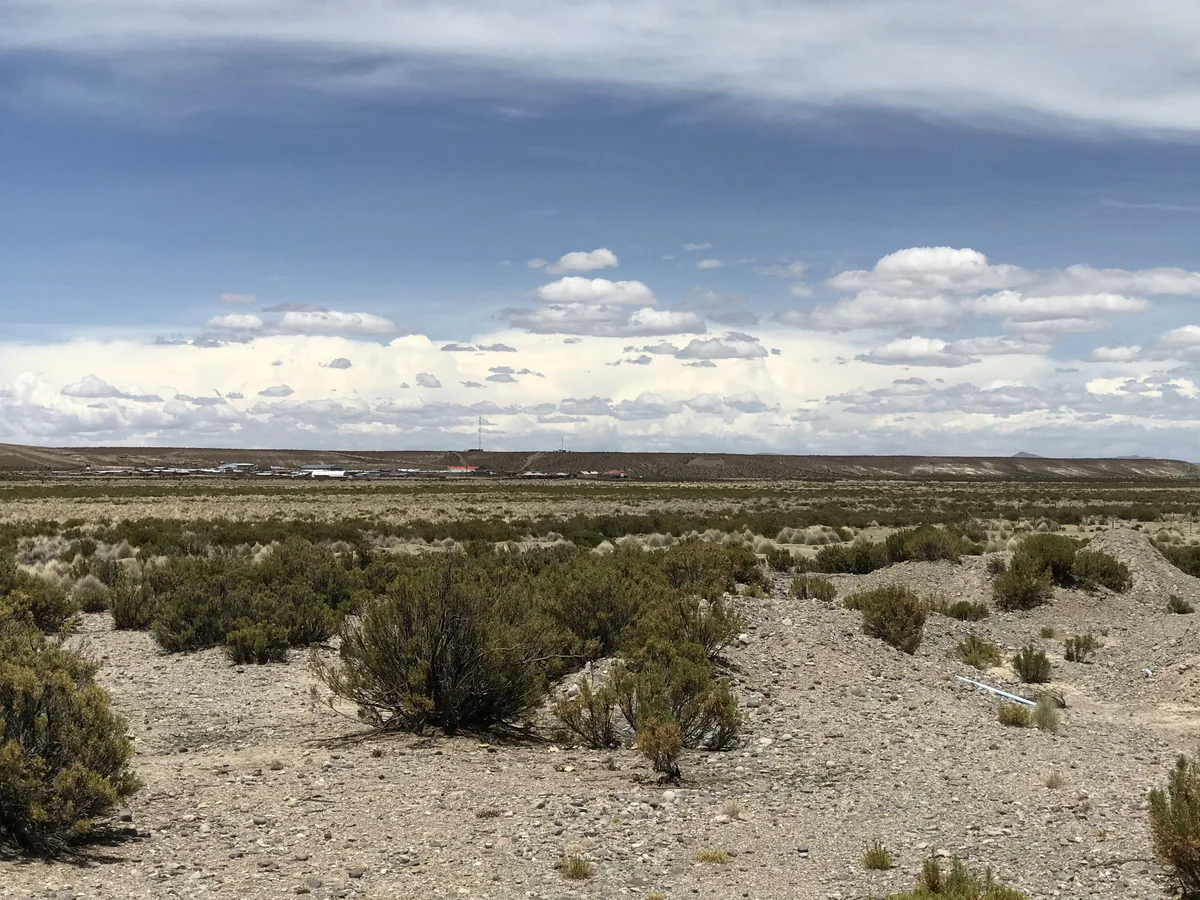
Context is part of the analysis
Our perspective comes from interdisciplinary research into the ecology of extreme environments. We connect the structure of the data with knowledge of the system to interpret findings beyond their description.
An analytical strategy built around your study
Review the question and study design
Understand the objectives, replication, controls and dependencies across sites or times.
Assess the data
Review identifiers, table structure, metadata and gaps that may limit the analysis.
Agree on the analysis
Define methods, deliverables and timelines in writing. Diversity, ordination or hypothesis tests are included when supported by the design.
Interpret and document
Connect findings to the ecological question and explain analytical decisions, uncertainty and limitations.
Results you can understand and use
The proposal specifies the materials you will receive and the level of documentation.
Scientific report
Methods, results, ecological interpretation and study limitations.
Figures and tables
Visualisations and clearly identified statistical results with their context.
Reproducible materials
Code, processed tables and documentation where included in the agreed scope.
Before we begin
Do all my data need to be organised?
You can start with a description of the files and the study. We will assess which preparation or additional information is needed before defining the work.
Can you review an existing analysis?
Yes. We can review the analytical strategy and available results, and recommend adjustments or provide interpretation within the agreed scope.
Does this service include sampling or sequencing?
This page describes analytical support and scientific interpretation of existing data. Fieldwork and sequencing are not included. For microbiomes, the availability of processed tables is reviewed before a proposal.
How is the fee determined?
After reviewing the question, study design, available files and expected deliverables. You will receive a written proposal to approve before work begins.
Start with your ecological question
Tell us what you are studying, which data you have and what you need to understand. A description is enough for the initial inquiry; there is no need to attach confidential data.